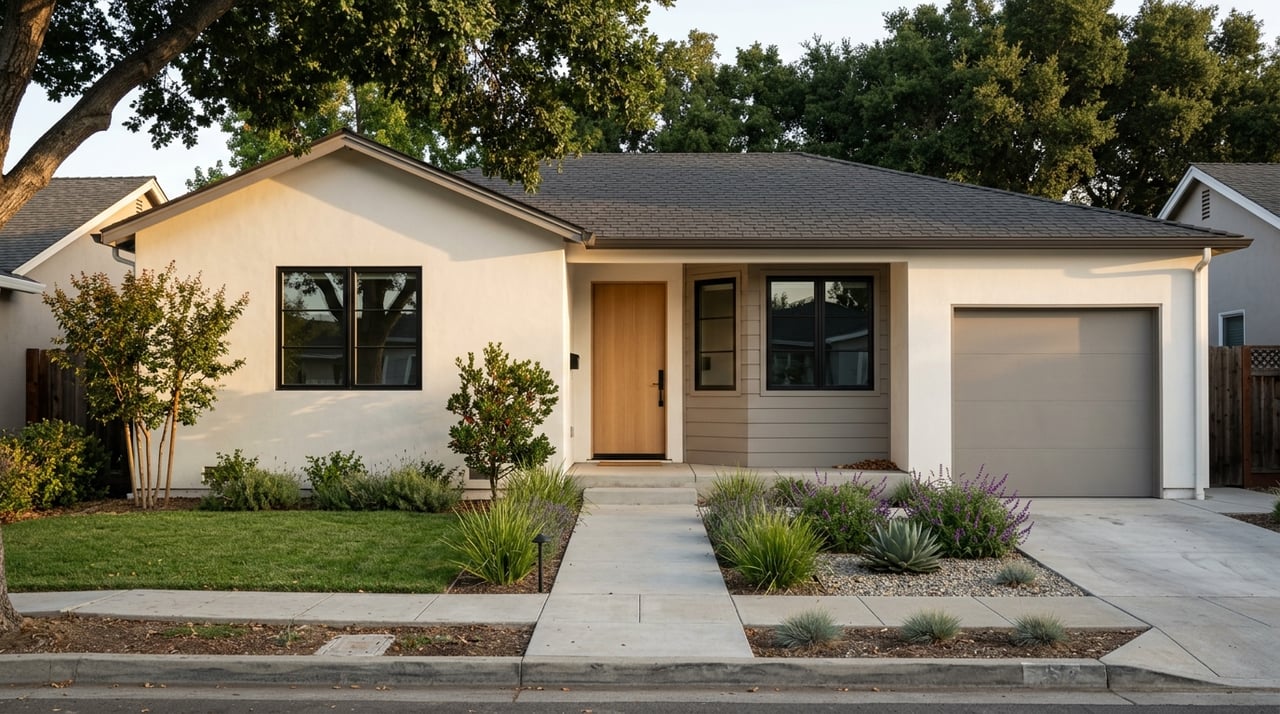
If you are trying to choose between newer and established neighborhoods in Dublin, CA, you are not alone. Many buyers want to know whether they will feel more at home in a newer master-planned area or in a part of the city with older streets and a longer history. The good news is that Dublin offers both, and each comes with a different day-to-day rhythm. This guide will help you compare the two so you can focus on the setting that fits your goals best. Let’s dive in.
How Dublin’s Layout Shapes Neighborhood Feel
Dublin is not one single neighborhood pattern. The city is shaped by distinct planning areas, including Downtown Dublin, the Dublin Village Historic Area, and Eastern Dublin.
That structure helps explain why newer and established neighborhoods can feel so different from one another. Eastern Dublin, which covers roughly 3,300 acres east of Camp Parks, is where many of the city’s newer residential communities took shape. Older central and western areas tend to feel more layered, with a mix of street patterns, building ages, and historic references.
Newer Neighborhoods in Dublin
Newer neighborhoods in Dublin often feel more coordinated because many were built as part of larger master-planned communities. That usually means a more intentional layout, a wider mix of home types, and amenities that were designed alongside the housing.
If you want a neighborhood where homes, parks, and shared spaces were planned together, newer areas may stand out right away. In Dublin, that pattern is especially visible in parts of Eastern Dublin.
Home Types in Newer Areas
One common misconception is that newer neighborhoods are all the same. In Dublin, that is not really the case. Several newer communities include both attached and detached housing within the same master plan.
Wallis Ranch is a good example. The project includes 806 homes across eight neighborhoods, with single-family detached homes, green-court clusters, tri-plexes, townhomes, and alley-loaded homes. Recorded lot patterns include sizes such as 50 by 95 feet, 48 by 80 feet, 35 by 85 feet, and 30 by 50 feet, with home sizes ranging from about 1,435 to 4,383 square feet.
Jordan Ranch also reflects that mixed format. City records describe 781 approved homes, including detached homes, cluster homes, small-lot alley homes, townhomes, and mixed-use units. Assessment tables also reference detached lot categories of 5,200, 4,000, and 3,200 square feet.
Parks and Amenities in Newer Areas
Newer neighborhoods in Dublin are often closely tied to built-in amenities and shared open space. That can make everyday recreation feel convenient and easy to access.
Wallis Ranch Community Park covers 8.85 acres and includes a dog park, tennis, basketball, and pickleball courts, restrooms, picnic areas, fitness stations, and trails. Jordan Ranch Park is 4.9 acres and features two playground areas, a basketball court, a grass volleyball court, a meadow for informal play, trail access, and restrooms.
You also see this newer amenity pattern in larger east-side parks. Fallon Sports Park spans 61 acres and was dedicated in phases from 2010 through 2022. Emerald Glen Park, at Tassajara Road and Central Parkway, is a 48.2-acre park with sports fields, a skate park, and the Wave aquatic complex.
Everyday Feel in Newer Areas
The Eastern Dublin Specific Plan helps explain why newer areas feel more structured. Higher-density housing is generally placed in flatter areas and around commercial centers, while lower densities are reserved for foothill areas with more constraints.
The same planning framework describes a compact town center with a pedestrian-friendly layout, a walkable street system, and transit access. In practical terms, many newer Dublin neighborhoods feel like they were built to connect homes, parks, and shopping in a more coordinated way.
Established Neighborhoods in Dublin
Established neighborhoods in Dublin tend to feel more varied. Instead of one consistent tract pattern, you are more likely to see a mix of block layouts, architecture, and civic or historic landmarks.
For some buyers, that variety is the appeal. If you prefer a neighborhood that feels more tied to Dublin’s original core, established areas may offer the character you are looking for.
Historic Character and Street Pattern
The Dublin Village Historic Area was created to preserve historic character and resources. In one city project within that area, homes were described as being oriented toward the street with garages set back from the sidewalk, along with details such as unique sidewalks, fencing, and landscape patterns to reinforce a historic look.
That does not mean every older neighborhood looks the same. In fact, one of the defining features of established Dublin is that it is less standardized. You may see a broader range of home styles and redevelopment eras on nearby blocks.
Heritage and Civic Landmarks
Heritage Park is one of the clearest examples of Dublin’s older identity. The Kolb House, a 1911 Craftsman bungalow, reflects the city’s older architecture and local history.
Dublin Heritage Park and Museums is a 10-acre park with historic buildings, lawns, a historic cemetery, picnic areas, and museums. It also hosts regular community programming and tours, which gives this part of Dublin a stronger connection to the city’s early story.
Everyday Feel in Established Areas
Established parts of Dublin often have older retail corridors and a more auto-oriented streetscape. The Downtown Dublin Specific Plan notes that existing sidewalks are generally four to six feet wide and that the public streetscape was designed primarily to accommodate automobiles rather than pedestrians.
That does not make these areas less functional. It simply means the feel can be different from the more recently designed neighborhoods to the east, where trail links, newer parks, and coordinated planning are more visible.
Parks and Open Space Across Dublin
One of the nice things about Dublin is that both newer and established neighborhoods benefit from a strong parks system. The city says it has more than 24 parks and two open-space areas, with additional parks added as new neighborhoods develop.
Major open-space assets include Dougherty Hills Open Space at 107.5 acres, Martin Canyon Creek Trail at 18.5 acres with 0.89 miles of trail, and Dublin Hills Regional Park at 654 acres. So while the style of park access may differ depending on where you live, outdoor options are a citywide strength.
Shopping and Daily Convenience
Dublin has a substantial retail footprint, with more than 3.65 million square feet of retail development. Major shopping areas include Hacienda Crossings, Grafton Station, Fallon Gateway, Ulferts, Waterford Place, Dublin Place Shopping Center, and Persimmon Place.
Newer east-side neighborhoods are closely tied to centers along Dublin Boulevard and the Tassajara and Fallon corridors. The city highlights Persimmon Place, Grafton Station, Shops at Waterford, Fallon Gateway, and Tivoli Plaza as community shopping areas.
At the same time, Downtown Dublin remains a long-standing regional shopping destination that is continuing to evolve into a more pedestrian-oriented mixed-use district. On January 9, 2024, the City Council amended the Downtown Dublin Specific Plan to remove parking requirements in several downtown districts, which reflects that ongoing transition.
Newer vs. Established: Quick Comparison
If you want a simple side-by-side view, this summary can help.
| Feature | Newer Dublin Neighborhoods | Established Dublin Neighborhoods |
|---|---|---|
| Overall feel | More master-planned and coordinated | More layered and varied |
| Home types | Mix of detached and attached homes within planned communities | Broader architectural mix that varies by block |
| Streetscape | Often designed with newer pedestrian and amenity connections | Often shaped by older street patterns and auto-oriented corridors |
| Parks | Neighborhood parks built into development plans | Civic and heritage-oriented parks tied to city history |
| Shopping access | Often close to newer retail centers in east-side corridors | Often closer to older retail corridors and downtown core |
| Character | Uniform, amenity-driven, and newer in appearance | Historic references and a more established sense of place |
Which Type of Neighborhood Fits You Best?
There is no single right answer for every buyer. The better choice depends on what matters most in your daily life.
A newer Dublin neighborhood may be a good fit if you want a more coordinated layout, newer parks, and a blend of housing types within a master-planned setting. You may also prefer being close to east-side retail corridors and community amenities that were built alongside the homes.
An established Dublin neighborhood may be a better fit if you value a more varied block pattern, civic landmarks, and a setting that feels more connected to Dublin’s original core. You may appreciate the mix of older streets, historic references, and the city’s long-standing downtown corridors.
In reality, Dublin gives you a little of both. Eastern Dublin includes a range of housing formats, while Downtown Dublin continues to add newer mixed-use and transit-oriented development. That is why local guidance can make such a difference when you are narrowing down your options.
If you are weighing newer versus established neighborhoods in Dublin, the best next step is to compare them in person and talk through what matters most to you. The right fit is not just about age or appearance. It is about how a neighborhood supports the way you want to live, buy, or invest.
If you want help sorting through Dublin’s neighborhoods with a local, practical perspective, connect with Fracisco Realty & Investments. Their Tri-Valley roots and hands-on approach can help you make a more confident move.
FAQs
What is the difference between newer and established neighborhoods in Dublin, CA?
- Newer Dublin neighborhoods are generally more master-planned, amenity-driven, and coordinated in layout, while established areas tend to have older street patterns, more architectural variety, and stronger historic or civic references.
Where are many of the newer neighborhoods in Dublin, CA?
- Many of Dublin’s newer neighborhoods are in Eastern Dublin, a roughly 3,300-acre planning area east of Camp Parks.
Do newer Dublin neighborhoods only have single-family homes?
- No. Communities such as Wallis Ranch and Jordan Ranch include a mix of detached homes, townhomes, cluster homes, and other attached or small-lot housing types.
Are parks available in both newer and established parts of Dublin, CA?
- Yes. Dublin has more than 24 parks, two open-space areas, and major outdoor destinations such as Dougherty Hills Open Space, Martin Canyon Creek Trail, and Dublin Hills Regional Park.
What shopping areas serve newer neighborhoods in Dublin, CA?
- Newer neighborhoods are often close to community shopping areas such as Persimmon Place, Grafton Station, Shops at Waterford, Fallon Gateway, and Tivoli Plaza.
Does established Dublin include historic places?
- Yes. Established areas include places such as Dublin Heritage Park and Museums and the Kolb House, a 1911 Craftsman bungalow in Heritage Park.
Is Downtown Dublin considered an established area?
- Downtown Dublin is one of the city’s established areas, though it continues to change through redevelopment into a more pedestrian-oriented mixed-use district.
How can you choose between newer and established neighborhoods in Dublin, CA?
- Start by deciding whether you prefer newer amenities and coordinated planning or a more varied setting with historic and civic character, then compare specific areas based on your day-to-day priorities.