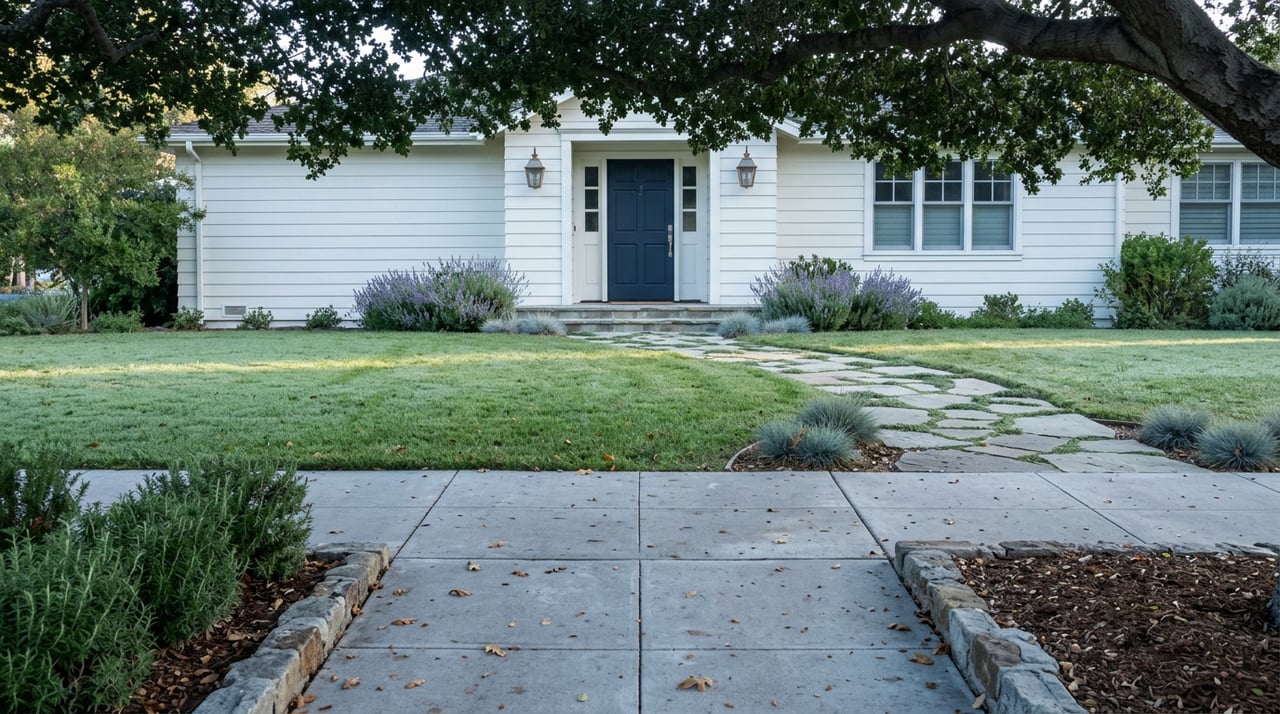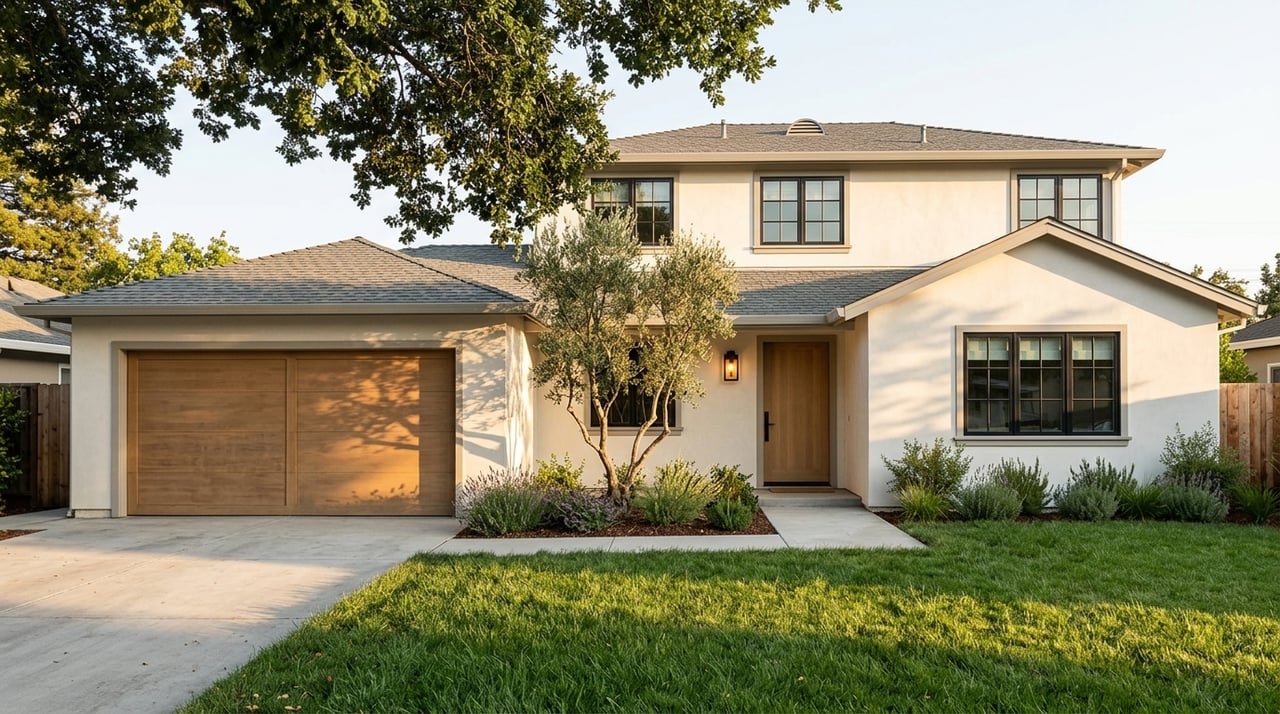
Trying to choose between a single-story or two-story home in Pleasanton? In a market where detached homes had a median sale price of $1,697,500 in April 2026, sold in about 13 days on average, and closed at 102% of list price, this is not a small design choice. You want a home that fits your life now, holds up well over time, and makes sense in a competitive local market. The good news is that Pleasanton offers strong options in both styles, and the right answer usually comes down to how you want to live day to day. Let’s dive in.
Why layout matters in Pleasanton
Pleasanton is a mostly owner-occupied market, with 67.0% of homes occupied by owners, and local home values are high. The Census estimates the median value of owner-occupied homes at $1,537,100, with median monthly owner costs with a mortgage listed at $4,000+. That makes layout a long-term lifestyle and budget decision, not just a matter of taste.
Pleasanton also has a wide mix of households and life stages. About 23.1% of residents are under 18, and 16.7% are 65 or older. That means both step-free living and more separated household space can be relevant, depending on your needs.
The city’s setting matters too. Pleasanton offers 46 community and neighborhood parks, more than 60 miles of trails, and over 700 acres of undeveloped open space. If you care about yard use, patio flow, and how your home connects to outdoor space, story count can shape that experience more than you might think.
How Pleasanton neighborhoods influence story count
In Pleasanton, single-story versus two-story is often tied to neighborhood history. Older neighborhoods commonly include ranch-style homes, while newer infill and denser development often build upward to add more square footage on smaller sites. So when you choose a layout, you are often also choosing a neighborhood pattern.
For example, Jensen Tract was originally built with single-level ranch homes and later added some two-story homes. Nearby Amador Estates, developed between 1960 and 1970, is described as mostly single-story homes in the roughly 1,050 to 1,700 square foot range. If you are drawn to one-level living, established areas like these may give you more choices.
Other neighborhoods show a similar mix. Birdland is known for mostly single-story ranch homes and two-story colonials, while Happy Valley began with ranch homes on large lots and later added custom homes on larger parcels. In practical terms, Pleasanton’s neighborhood character often shapes what story count is most available.
Newer development tells a different story. Marbella, near downtown Pleasanton, was designed with 56 two-story houses and 31 three-story houses. That pattern reflects a common local reality: when builders want more house on limited land, they often go vertical.
Benefits of single-story homes
Single-story homes appeal to buyers who want simplicity, comfort, and long-term ease of use. With the kitchen, bedrooms, and bathrooms on one level, daily routines can feel more streamlined. For many buyers, that convenience becomes more valuable over time.
A major advantage is accessibility. Aging-in-place design often includes one-story living and no-step entries, and the CDC notes that each year 1 in 4 Americans over 65 has a fall. Even if that is not your concern today, a stair-free layout can offer peace of mind for the future.
Single-story homes can also create a stronger indoor-outdoor connection. In a city with so many parks, trails, and established neighborhoods with mature yards, easy access to patios, gardens, or side yards may be a real quality-of-life benefit. If you like the idea of moving easily between your living space and your outdoor space, one-level layouts often support that well.
Another point to consider is lot flexibility. Pleasanton allows ADUs and JADUs, and the city notes that a JADU can be located entirely within the walls of a single-family residence, including an attached garage, if it has a separate entrance and meets local rules. The city also offers preapproved ADU plans, which may make some properties more flexible for guests, caregivers, or rental use, depending on the site and approvals.
Single-story homes may fit you if you want:
- Fewer stairs in daily life
- A layout that may work better over the long term
- Easier movement between indoor and outdoor spaces
- A home in an established ranch-style neighborhood
- Simpler circulation for guests or multigenerational use on one floor
Benefits of two-story homes
Two-story homes often make sense when you want more living space without using as much lot area. In Pleasanton, newer development patterns show this clearly. Near downtown, builders used two- and three-story detached homes at Marbella to fit more square footage on a limited site.
Privacy is another common advantage. With bedrooms or secondary living areas upstairs, two-story homes can create clearer separation between shared spaces and private spaces. That can be helpful if your household includes remote work, frequent guests, or multiple generations under one roof.
That type of layout can be especially useful as households change. Recent buyer data showed that 17% of buyers were in multigenerational households, often due to cost savings, caregiving, or adult children moving back home. In those cases, having distinct zones for sleeping, working, and gathering can make the home feel more functional.
There is also a comfort factor to think about. The U.S. Department of Energy explains that warm air rises and cool air enters lower openings, which can create different temperature behavior between floors. If you are considering a two-story home, it is smart to pay attention to HVAC balancing, window placement, and how comfortable each floor feels throughout the year.
Two-story homes may fit you if you want:
- More square footage on the same lot
- Better separation between living and sleeping areas
- Extra privacy for guests or household members
- A layout that supports multigenerational living
- Access to newer vertical-style development patterns
Key tradeoffs to compare
There is no universal winner between one story and two stories. In Pleasanton, the better choice usually depends on how you weigh accessibility, privacy, lot size, home size, and neighborhood style. A smart decision comes from matching the floor plan to your real life.
Here is a simple side-by-side view:
| Factor | Single-Story | Two-Story |
|---|---|---|
| Daily accessibility | Easier, with fewer stairs | More stairs to manage |
| Privacy separation | Less built-in separation | More separation by floor |
| Outdoor connection | Often stronger and more direct | Can vary by layout and lot |
| Space efficiency | Uses more footprint for same size | Adds space without as much lot use |
| Long-term ease | Often better for aging in place | May need more future planning |
| Common local pattern | Established ranch neighborhoods | Newer infill and larger vertical homes |
How to decide based on your stage of life
If you are thinking long term, start with how you expect to use the home over the next five to ten years. A single-story home may be the better fit if you want step-free living, simpler routines, and a home that may be easier to stay in as your needs change. This can be especially appealing in Pleasanton’s established neighborhoods, where one-level homes are often part of the original design pattern.
A two-story home may be the stronger fit if your priority is a larger home feel, more defined zones, or flexibility for a changing household. If you need room for work, guests, or extended family, the extra separation can be very practical. In Pleasanton, that tradeoff often shows up in newer or more vertically designed homes.
It also helps to think beyond today’s furniture plan. Consider how often you use stairs, whether you want all bedrooms together or apart, and how much yard versus house you really want. In a high-cost market, choosing the right layout the first time can save you from needing another move sooner than planned.
What matters for resale in Pleasanton
For resale, story count alone does not determine value. In Pleasanton, the better long-term bet is usually the home that best matches its neighborhood, lot, condition, and likely buyer pool. A well-laid-out single-story home in an established ranch neighborhood can be just as compelling as a well-designed two-story home in a newer area.
Detached homes remain in demand locally, and buyers are making fast decisions in this market. With homes selling in about 13 days on average and at 102% of list price in the April 2026 detached report, fit matters. Buyers are often looking for a home that solves practical needs, not just one that checks a style box.
That is why local guidance matters. In Pleasanton, the right layout choice is often tied to block-by-block context, not broad rules. Looking at neighborhood age, typical floor plans, lot patterns, and future flexibility can give you a clearer answer than focusing on story count alone.
If you are weighing single-story versus two-story homes in Pleasanton, a local perspective can help you narrow the field faster and avoid costly compromises. The team at Fracisco Realty & Investments brings deep Tri-Valley roots, hands-on guidance, and practical market insight to help you choose a home that fits both your lifestyle and your long-term goals.
FAQs
What is the main benefit of a single-story home in Pleasanton?
- The biggest benefit is easier daily living with fewer stairs, which can support accessibility, simpler routines, and long-term comfort.
What is the main benefit of a two-story home in Pleasanton?
- The biggest benefit is often better space efficiency and separation, giving you more room and clearer zones without using as much lot area.
Are single-story homes common in Pleasanton neighborhoods?
- Yes. Several established Pleasanton neighborhoods, including areas like Amador Estates and parts of Jensen Tract, are known for many single-story ranch-style homes.
Are two-story homes more common in newer Pleasanton development?
- In many newer or infill projects, yes. Local examples such as Marbella show how builders often use two- and three-story designs to fit more home on smaller sites.
How should Pleasanton buyers choose between one story and two stories?
- Start with your lifestyle, mobility needs, privacy preferences, and space goals, then compare those priorities against the neighborhood patterns and home types available in Pleasanton.
Does story count affect resale value in Pleasanton?
- It can, but usually less than overall fit. Condition, floor plan, neighborhood pattern, lot size, and how well the home meets likely buyer needs tend to matter more than story count by itself.