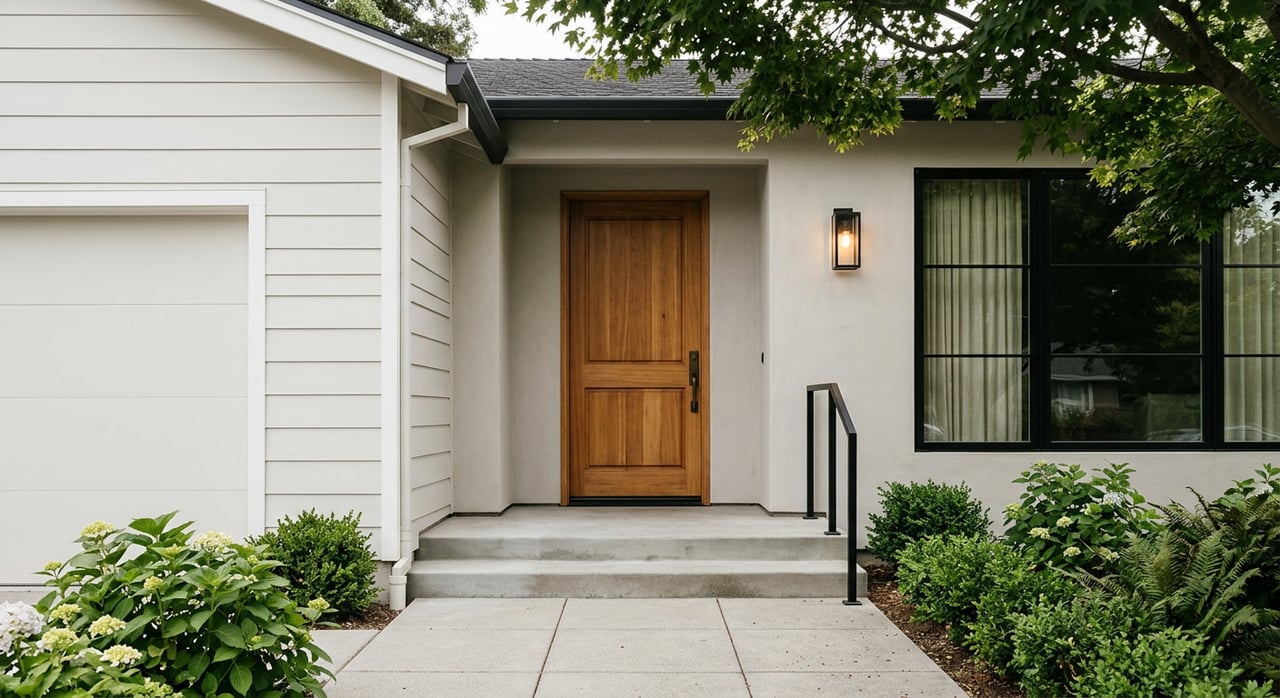
Trying to choose between a sleek new townhome in Warm Springs and a classic single-story on a tree-lined street? You are not alone. In Fremont’s fast-moving market, both new construction and resale homes can be smart buys, but they come with different costs, timelines, and rules. This guide walks you through the tradeoffs so you can buy with confidence and avoid surprises. Let’s dive in.
Fremont market at a glance
Fremont remains one of the East Bay’s most sought-after cities, with typical sale prices sitting in the mid to high 1 million range as of early 2026. New-home options are active, especially around Warm Springs and the Innovation masterplan by Lennar, where attached townhomes and community amenities are common. You also find infill projects sprinkled near major corridors, plus excellent regional access via BART and I-880/I-680. If you buy new, permits and inspections run through the City of Fremont’s Development Services and Building & Safety office, which issues the certificate of occupancy you will need to close.
For permit history or status checks on any property, review the City’s guidance and portal information for verification through the Building & Safety office. You can start with the City’s overview of permitting and inspections, then request permit records tied to a specific address.
- Reference: City of Fremont Building & Safety permits and inspections overview: verify permitting and inspection steps
- Example new-home community: Lennar’s Innovation masterplan in Fremont: builder overview and features
New vs resale: quick comparison
- New construction: contemporary layouts, brand-new systems, energy-efficient features, and builder warranties. Often part of an HOA with amenities. Pricing is set by the builder and may have limited negotiation.
- Resale homes: wider variety of neighborhoods, lot sizes, and floor plans, including single-story options. You may face near-term maintenance or upgrades but can sometimes negotiate price or credits.
Price and negotiation
New homes are usually priced to cover land and construction costs, with limited room to negotiate on popular floor plans. Builders may offer incentives on financing or upgrades instead of price cuts. Resale pricing can be more flexible, especially if a home has been on the market for a while or needs updates.
Be aware of appraisal risk in new subdivisions with few recent comparable sales. An appraisal can come in below the contract price, creating a gap you may need to bridge with cash or a renegotiation. Keep an appraisal contingency when possible and coordinate early with your lender. Industry guidance notes that appraisers may rely more on the cost approach for new builds when comps are limited. See appraisal education resources from the Appraisal Institute for context on how approaches can differ in new construction.
- Appraisal education reference: Appraisal Institute resource page
Layout, finishes, and systems
New construction in Fremont often features open-concept main levels, modern kitchens and baths, EV-ready wiring, and energy-efficient mechanicals. Model homes showcase finish packages, with upgrades available for an added cost. Innovation by Lennar is a representative example of attached townhomes with amenities and modern features.
Resale homes offer diversity. In Mission San Jose, Glenmoor, Niles, Irvington, or Centerville, you can find larger lots, established landscaping, and single-story plans that are less common in newer attached communities. Budget for updates to roofs, HVAC, windows, or sewer laterals depending on age and condition.
- Builder example: Innovation masterplan by Lennar
Maintenance, warranties, and defects
New homes typically include a written builder warranty. California’s Right to Repair law, known as SB 800, outlines construction-defect standards and pre-litigation repair procedures for new residential construction. Ask for the warranty booklet and how claims are handled, including timelines and points of contact.
Resale homes do not come with a builder warranty. You will rely on disclosures, inspections, and negotiation for repairs or credits. Always factor expected maintenance into your budget.
- California construction-defect framework: SB 800 overview and text
HOAs, reserves, and what to review
Many new Fremont communities are within homeowners associations that maintain common areas and amenities, which can raise monthly dues. Dues can vary from the low hundreds to higher levels depending on services and amenities. Always compare what is covered, such as landscaping, insurance, or utilities.
In California, associations must produce an Annual Budget Report with reserve information and insurance summaries. Ask for the current budget, reserve study, and recent meeting minutes. These documents help you understand the financial health of the HOA and any planned increases or special assessments.
- HOA disclosure requirements: California Civil Code §5300
Local taxes and special assessments
Some newer Fremont subdivisions use Community Facilities Districts, often called Mello-Roos, to finance infrastructure. If a home is in a CFD, you will see an additional annual special tax on the property tax bill. Ask for the CFD map or documentation and confirm the current rate, term, and any escalation rules.
Alameda County also issues supplemental tax bills when new construction is completed or when property values change midyear. Plan for this in your first-year budget so you are not caught off guard.
- City of Fremont reference for CFDs: background on local Community Facilities Districts
- Alameda County tax FAQs, including supplemental bills: Treasurer-Tax Collector resource
Financing timeline and appraisal for new builds
If you buy a completed spec home, you can usually use standard mortgage financing and close on a typical timeline. If you contract early or pursue a custom or lot-build scenario, you may need a construction-to-permanent loan or a two-close structure. These loans fund in stages, require inspections for each draw, and often have different underwriting and rate profiles than a conventional mortgage.
Longer build timelines introduce interest rate risk. Your approval and payments may change if rates move before closing. Appraisals for new communities may rely more on cost approaches or builder closings, which can produce different outcomes than appraising an established resale home.
- Construction loan overview for consumers: step-by-step explanation
- Appraisal education reference: Appraisal Institute resource page
Permits and prior work: what to verify
For new construction, confirm that the builder has completed all required City of Fremont inspections and that the certificate of occupancy will be available by your closing date. For resales, verify permits for past renovations or additions and make sure final inspections were completed. This reduces the risk of inheriting unpermitted work.
- City permitting and inspections overview: how Fremont handles permits, inspections, and occupancy
Which option fits your goals
- You want low near-term maintenance, modern features, and community amenities. A new construction townhome or spec home could be a strong fit. Review the HOA, warranty, and any CFD taxes before you commit.
- You want a yard, single-story living, or room to remodel at your pace. An established resale in Mission San Jose, Glenmoor, Niles, Irvington, or Centerville can offer the space and flexibility you want. Budget for updates and check permits.
- You focus on adding value through upgrades. Resales often provide more room for value-add improvements than new construction that already reflects modern standards and builder pricing.
Buyer checklist: questions and documents
Use this as a quick reference during tours and contract review.
If you are buying new construction, ask the builder
- What written warranties are included, what is covered, and for how long? Request the warranty booklet and the repair claims process. California’s SB 800 sets construction-defect standards and pre-litigation repair steps. See the statute text: SB 800 overview.
- Is the home in a Community Facilities District or subject to a Mello-Roos tax? Ask for the CFD map and current annual amount, term, and escalation rules. Confirm using City and County tax resources: Fremont CFD background and Alameda County tax FAQs.
- Who manages the HOA and when does homeowner control begin? Request the current budget, the most recent reserve study, and 6 to 12 months of minutes. California associations must deliver an Annual Budget Report with specific disclosures: Civil Code §5300.
- What are the standard inclusions vs upgrade options, along with prices and timelines? Ask for a sample purchase contract and a list of any current incentives and expiration dates.
- What public improvements remain, such as streets or landscaping, and how are they funded? Request the developer’s completion timelines and verify approvals via the City’s permit records: Fremont permits and inspections.
- Will there be a supplemental property tax bill after completion? Confirm with the builder and review County guidance: Alameda County tax FAQs.
If you are buying a resale, ask the listing agent
- Provide the seller’s Transfer Disclosure Statement and permits for past work. Verify permits through the City’s records: Fremont permits and inspections.
- If there is an HOA, request the Annual Budget Report, reserve study, CC&Rs, and recent minutes. Compare disclosures against Civil Code §5300.
- How old are major systems and when were they last serviced or replaced, including roof, HVAC, water heater, and any sewer lateral work? Ask for receipts and remaining warranties.
- Any past construction-defect claims or active litigation involving the property or the association? If yes, request notices and settlement or repair documents. California’s SB 800 framework may apply in newer developments: SB 800 overview.
Documents to gather for either path
- New build: builder contract, written warranty, schedule of allowances and upgrades, HOA budget and reserve disclosures, CFD documentation, certificate of occupancy timeline, and copies of major inspection reports. Verify permits and inspection milestones through the City: Fremont permits and inspections.
- Resale: seller disclosures, permits for renovations, a full home inspection report, 12 months of utility bills, and HOA documents if applicable. For tax questions, review County guidance and your parcel’s bill: Alameda County tax FAQs.
How to make the call
Start with your must-haves. If you value amenities, low maintenance, and a clean modern look, new construction can be a strong match. If you want a yard, a single-story plan, or the chance to personalize through remodeling, a resale may be the better fit. In either case, protect your budget by reviewing HOAs, reserves, taxes, and permits before you make an offer.
When you are ready to compare specific addresses and run a true apples-to-apples budget, our local team can help you review HOA health, tax lines, warranties, and appraisal risks. Connect with Fracisco Realty & Investments for practical, neighborhood-grounded guidance, or use our site to Get Your Instant Home Valuation.
FAQs
What are the main cost differences between new construction and resale in Fremont?
- New builds may have higher base prices with limited price negotiation but lower near-term maintenance, while resales can offer more negotiation potential and possible upgrade costs after closing.
How do Mello-Roos or CFD taxes affect new Fremont homes?
- Some newer subdivisions include a CFD special tax added to your property tax bill, so you should confirm the parcel’s status and current rate using City and County resources.
What HOA documents should I review before buying in Fremont?
- Ask for the Annual Budget Report, reserve study, insurance summary, CC&Rs, and recent minutes to evaluate dues stability and the likelihood of special assessments.
How do appraisals differ for new construction versus resale?
- In new communities with limited comparable sales, appraisers may rely more on the cost approach, which can increase the chance of an appraisal coming in below contract price.
What permits and inspections should I verify on a Fremont resale?
- Confirm permits and final inspections for additions, remodels, roof, HVAC, and other major work through the City’s records to avoid inheriting unpermitted improvements.
Do construction loans change my timeline if I buy new?
- Yes. Construction-to-permanent or two-close loans fund in stages, require inspections, and can extend timelines, which exposes you to rate changes before closing.